
7 Things to Have on Hand Before Hooking Up Your Drilling Attachment
Getting a new rock drilling attachment onto the jobsite is exciting, but a little preparation before the first hookup can make installation and operation much smoother.
WORD Rock Drills manufactures hydraulic drilling attachments for skid steers and excavators used in rock drilling, foundation work, anchoring, fencing, solar construction, geotechnical drilling, and other applications. While every drilling setup is different, having the right tools, fluids, connections, and common wear parts available can help your crew get your attachment connected and ready to work with fewer delays.
Before operating any WORD drilling attachment, always follow the operator’s manual, carrier requirements, and instructions provided for your specific machine.
Here are seven things we recommend having ready before your WORD Rock Drills attachment arrives.
1. What Wrenches and Tools Should You Have for a Rock Drilling Attachment?

Keep a basic set of appropriately sized wrenches and pipe wrenches available when connecting your WORD drilling attachment.
Every WORD Rock Drills attachment is tested and inspected before shipment, including its hydraulic connections and fittings. However, transportation and normal handling can occasionally cause fittings or connections to require attention when the attachment reaches the jobsite.
Having the correct tools readily available allows your crew to inspect connections during setup and address a loose fitting before beginning operation.
A useful jobsite tool kit may include:
- Combination wrenches in common hydraulic fitting sizes
- Adjustable wrenches
- Several sizes of pipe wrenches
- Clean shop towels
- Basic hydraulic connection tools
- Replacement fittings or adapters appropriate for your setup
The exact tools required can vary depending on the drilling attachment, drill head, carrier, and accessories installed.
2. What Type of Grease Should You Use on a WORD Drilling Attachment?
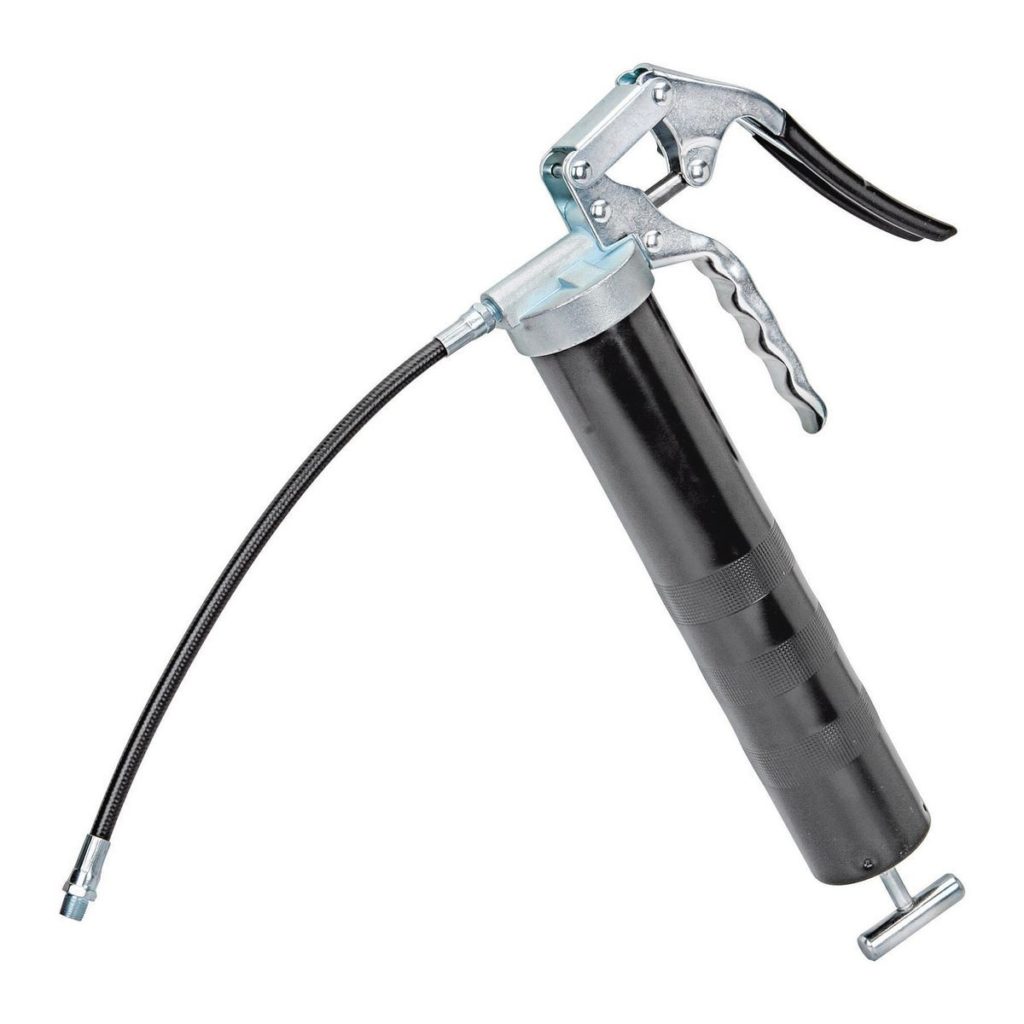
Regular greasing is an important part of maintaining a skid steer or excavator drilling attachment.
WORD drilling attachments contain multiple moving components and wear points that require lubrication to reduce friction and premature wear. High-temperature grease should be kept on the service truck or jobsite so required grease points can be maintained according to the maintenance schedule for your specific attachment.
Depending on the configuration of your WORD drilling attachment, grease points may include components such as:
- Feed rail components
- Front sprocket assemblies
- Drill head or gearbox components
- Hydraulic motor components
- Pivot and movement points
A good general practice is to inspect and grease the attachment before operation and continue servicing required grease points throughout the workday according to the operator’s manual.
Keeping up with routine lubrication can help protect components, reduce unnecessary wear, and keep the drilling attachment operating smoothly.
3. How Do You Make Sure Your Hydraulic Quick Connects Match?
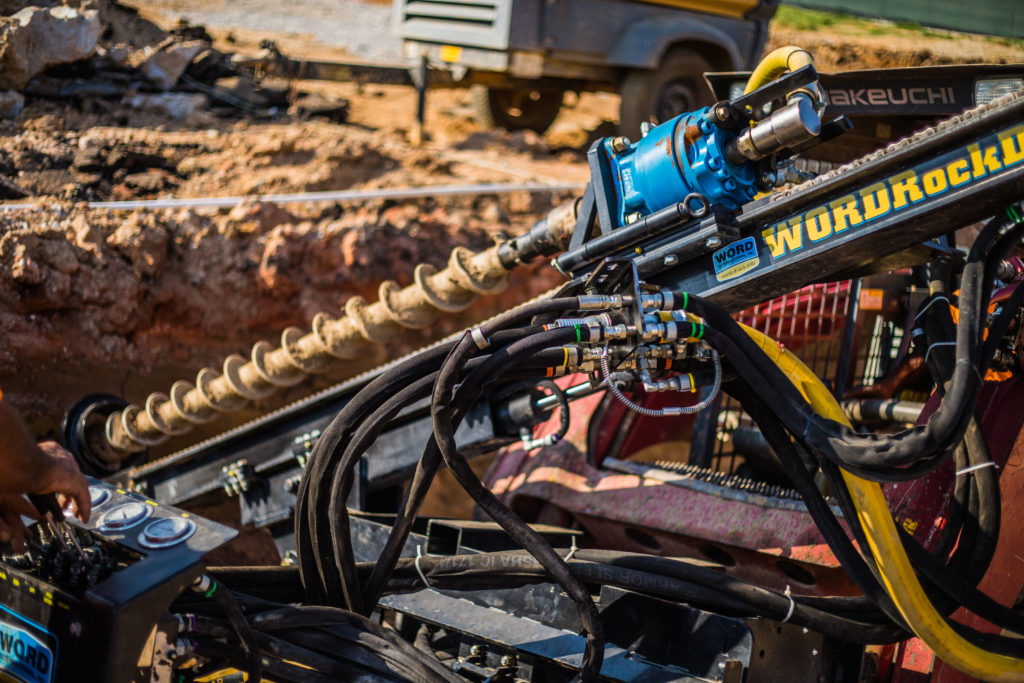
Before your WORD drilling attachment arrives, confirm that the hydraulic connections on your skid steer or excavator are compatible with the attachment.
WORD drilling attachments connect to the carrier’s auxiliary hydraulic system, and coupler styles and sizes can vary between machines. Even two skid steers or excavators with similar hydraulic specifications may use different hydraulic quick-connect configurations.
Before installation, verify:
- Hydraulic flow requirements
- Hydraulic pressure requirements
- Quick-connect sizes
- Quick-connect styles
- Case drain requirements, if applicable
- Return-line requirements
- Any adapters required for your carrier
Having the correct hydraulic fittings and adapters ready before installation can prevent unnecessary delays when the drilling attachment arrives.
It is also important to keep hydraulic quick connects clean. Dirt and debris introduced through a hydraulic connection can contaminate the carrier or attachment hydraulic system. Clean both sides of the connection before attaching hydraulic lines.ect replacement for your machine.
4. What Electrical Power Is Needed for a WORD Radio Remote?
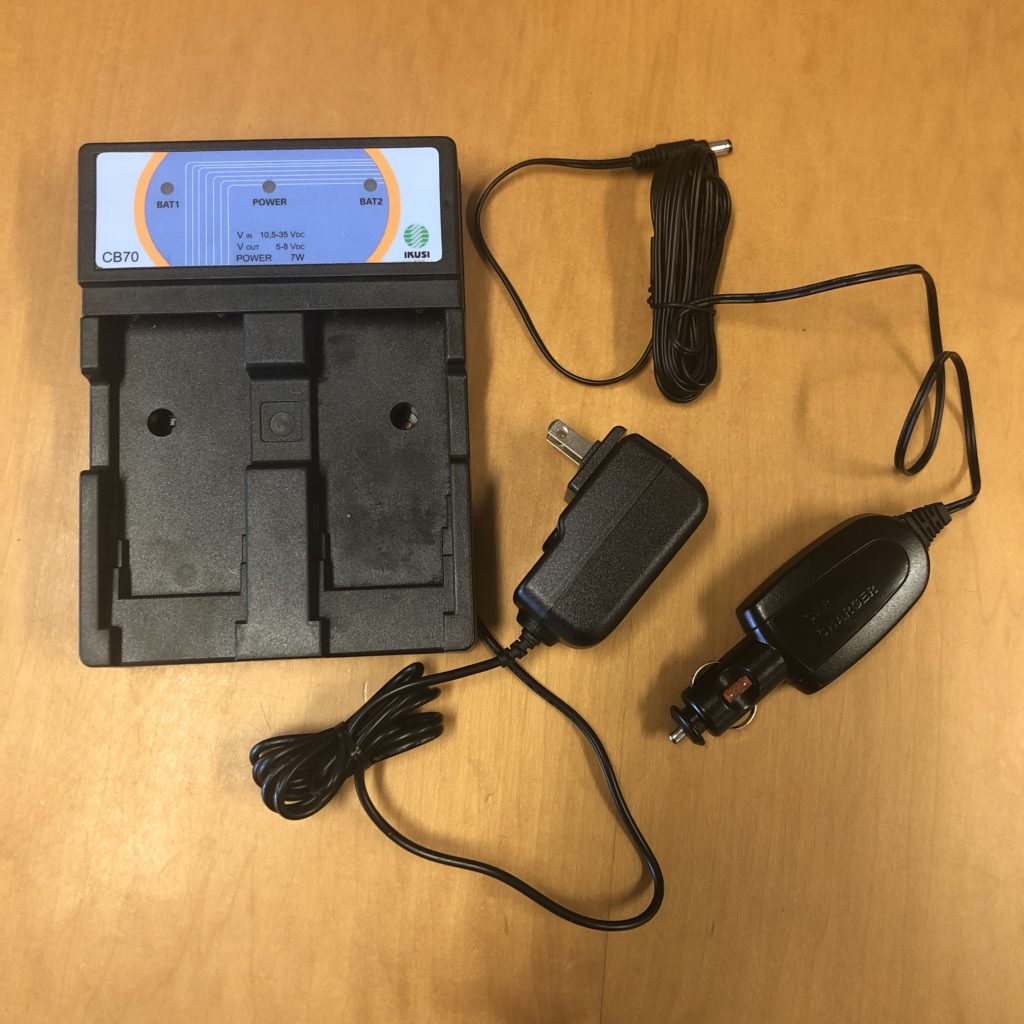
If your WORD drilling attachment is equipped with a radio remote control, make sure you have a reliable way to keep the remote charged.
Depending on the radio-control system supplied with your machine, charging options may include a vehicle-style 12-volt power source or a standard electrical outlet.
Before heading to the jobsite:
- Fully charge the radio remote
- Confirm that the charging cable is with the machine
- Identify an available charging source
- Inspect the cable and connections for damage
- Keep replacement charging equipment available when practical
A charged and properly functioning radio remote allows the operator to maintain control of the drilling attachment while working from an appropriate operating position.
If you need a replacement remote charger or other control-system component, contact WORD Rock Drills Parts & Service for assistance identifying the correct replacement for your machine.
5. Why Do You Need Rock Drill Oil?
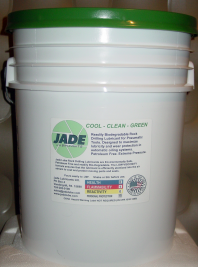
Rock drill oil is an important consumable for drilling systems equipped with components that require air-line lubrication.
The line oiler introduces rock drill oil into the air system to lubricate drilling components during operation. Running without adequate lubrication can increase wear and affect drilling performance.
Before beginning a job:
- Check the line-oiler oil level
- Make sure you have additional rock drill oil available
- Confirm that the lubricator is functioning properly
- Inspect the system periodically throughout the workday
WORD Rock Drills recommends keeping an adequate supply of appropriate rock drill oil on the service truck so crews do not have to stop production because the lubricator runs low.
Biodegradable rock drill oil may also be appropriate for projects with environmental requirements or jobsites where minimizing environmental impact is a priority.
Always use oil that meets the requirements of your specific drilling equipment.
6. Why Should You Keep a Drip Tray on the Jobsite?
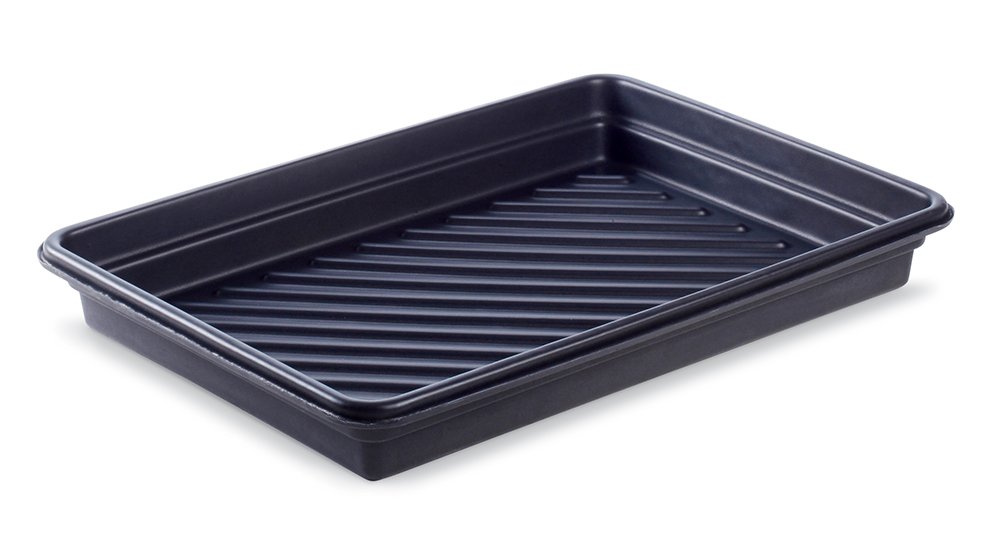
A drip tray or containment pan is useful whenever hydraulic hoses are being connected, disconnected, serviced, or inspected.
Skid steer and excavator drilling attachments rely heavily on hydraulic systems. Even when connections are functioning properly, a small amount of hydraulic fluid can remain in hoses and couplers when lines are disconnected.
Placing a drip tray beneath hydraulic connection points can help:
- Contain small amounts of hydraulic fluid
- Keep the work area cleaner
- Support jobsite environmental requirements
- Simplify cleanup during attachment changes
- Prevent fluids from reaching sensitive surfaces or soil
For jobsites with specific environmental or spill-control requirements, crews should also follow the project’s established containment and cleanup procedures.
7. What Spare Wear Parts Should You Keep for Your Drilling Attachment?
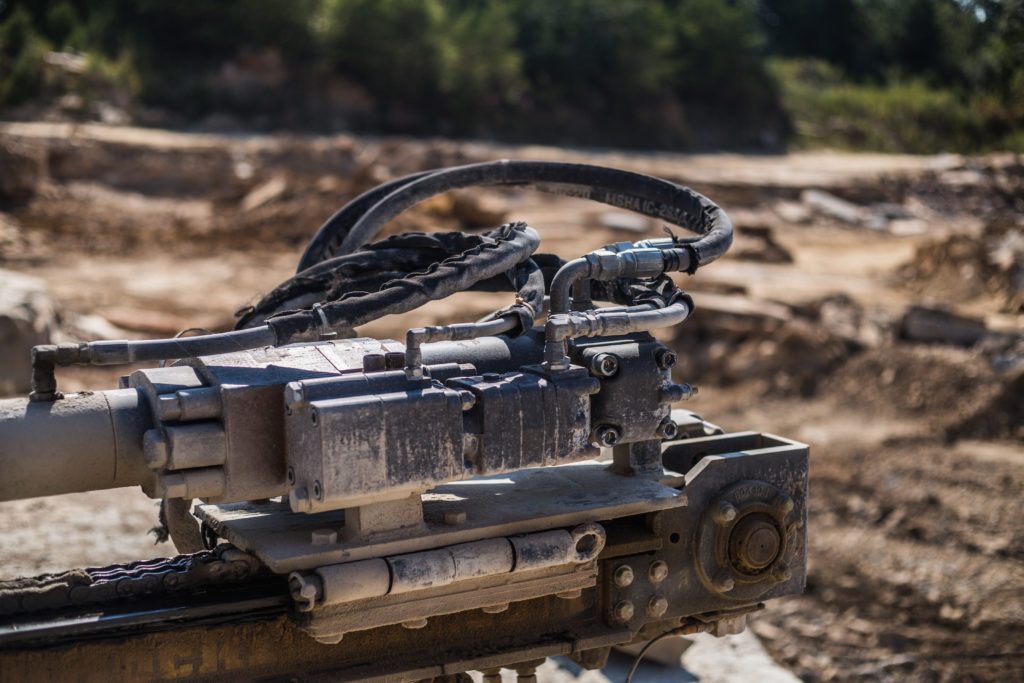
Keeping common wear components available can help reduce downtime when routine maintenance is required.
WORD drilling attachments contain wear pads, spacers, bushings, and other components designed to protect larger structural or moving parts of the drilling system.
For example, wear pads located around the feed system help provide a replaceable surface between moving components. As these parts wear, replacing them at the appropriate interval can help protect more expensive components of the drilling attachment.
Depending on your machine, common items worth keeping available may include:
- Feed rail wear pads
- Spacers and shims
- Bushings
- Centralizer wear components
- Hydraulic fittings
- Common seals
- Other application-specific wear parts
Your WORD Rock Drills Parts & Service team can help identify recommended spare parts for your specific attachment and drilling configuration.
What Should You Check Before Using a WORD Drilling Attachment for the First Time?
Before putting a new drilling attachment to work, complete a basic pre-operation inspection.
Confirm that:
- The carrier meets the required hydraulic flow and pressure specifications
- The attachment is correctly mounted to the skid steer or excavator
- Hydraulic connections are clean and secure
- Hoses are properly routed and protected
- Required grease points have been serviced
- The line oiler contains the appropriate rock drill oil, when applicable
- The radio remote is charged and communicating correctly, when equipped
- Wear components are properly installed
- Required drilling tools and consumables are available
- Operators have reviewed the appropriate operating and safety information
Taking time to prepare before the first hole can help your crew spend less time searching for tools or adapters and more time getting the drilling work done.
Need Help Setting Up Your WORD Rock Drills Attachment?
Every drilling application is different. Carrier hydraulics, drilling method, tooling, ground conditions, and attachment configuration can all affect the equipment needed to get started.
Whether you’re setting up a skid steer drilling attachment, excavator drilling attachment, DTH system, hydraulic rotary setup, or hydraulic percussion drill, the WORD Rock Drills team can help you identify the correct connections, consumables, tooling, and replacement parts for your equipment.
Have your machine model and carrier information available when contacting WORD Rock Drills so our team can help you find the right setup for your application.